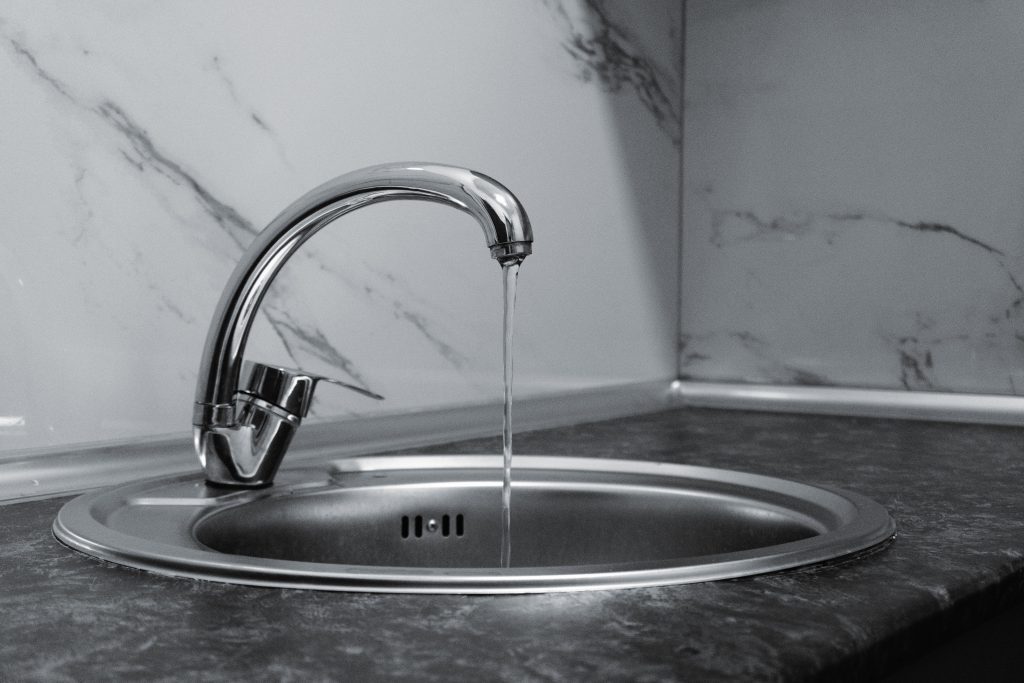
Our kitchen tap takes fifteen seconds to run hot.
I’d never timed it before. It didn’t feel especially slow and the boiler wasn’t doing anything obviously wrong. You turn the tap on, wait a bit and eventually the water warms up.
Fifteen seconds doesn’t sound like much until you stop watching the clock and look at the sink.
A few litres disappear before the water is warm enough to wash anything.
The boiler wasn’t the problem
We have a combi boiler, so there isn’t a cylinder of hot water sitting somewhere in the house. The boiler heats the water when a hot tap is opened.
That part happens quickly enough. The delay is between the boiler and the kitchen.
The pipe is already full of water that has cooled since the tap was last used. All of that has to come out before the newly heated water arrives.
Obvious when you think about it. I hadn’t.
The kitchen is used constantly. Hands, dishes, cloths, pans and all the little jobs that only need a small amount of warm water. Quite often the tap has nearly reached the right temperature just as you’re ready to turn it off.
Then the water sitting in the pipe cools again and the same thing happens next time.
A few litres at a time
I’m not going to pretend I measured our annual water loss down to the last cupful. I timed one ordinary run from cold and checked roughly how much water came through.
Fifteen seconds. A few litres.
The exact amount will change with the flow from the tap and how long it has been since the boiler last ran. The useful part was seeing the water collected rather than disappearing down the plughole.
It was more than I expected.
There is also the gas used while the boiler fires and starts heating water that may barely reach the tap before it is switched off. Each individual use is small. The kitchen creates plenty of them.
Now I need to find the pipe
The next job is to work out how the hot-water pipe reaches the kitchen.
If a useful length of it is accessible under the floor or inside a cupboard, insulating it may keep the standing water warmer for longer. It won’t shorten the pipe, but it could reduce the full cold start when the tap has only been off for a short time.
A shorter pipe route would make a bigger difference. That is also the option most likely to involve lifting things I don’t want to lift.
For now, the fifteen-second test has changed one habit. If I only need cold water for the kettle or a pan, I make sure the mixer is fully on cold. There is no point firing the boiler and pulling warm water into the pipe when none of it will reach the tap in time.
I still hear the boiler start occasionally when someone puts the mixer in the middle for a two-second rinse.
There are four people in this house. I’m not expecting that battle to end quickly.